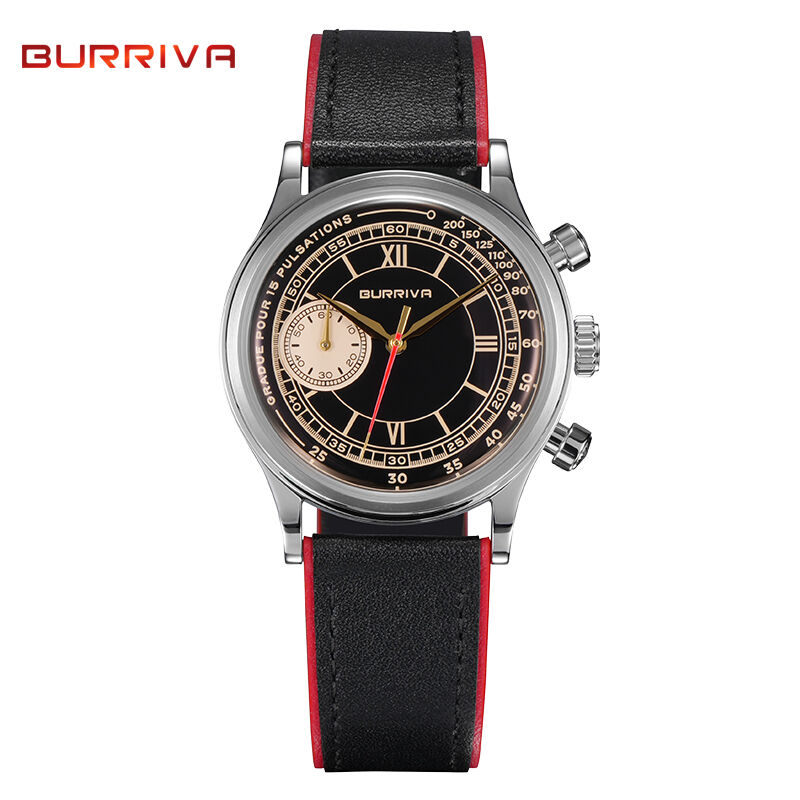
Why the Gap Between Quotes Is Not Just Margin A custom dial can look simple in a tech pack. A circle of brass or steel, a few colors, maybe applied markers. Then the quote comes back and the spread between suppliers is wide. New buyers often treat th...
VIEW MORE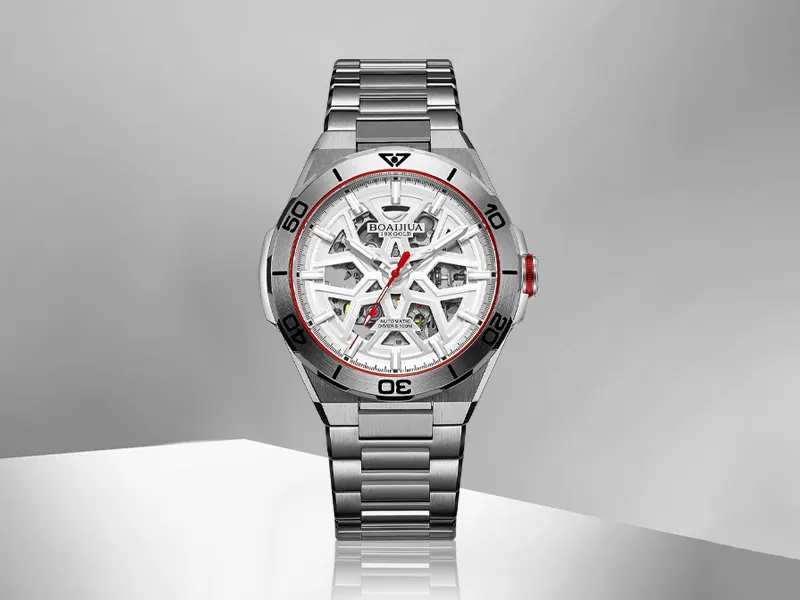
Why the Calendar Moves Once Production Starts A buyer asks for a quote on a custom watch dial and hears a familiar answer: six to eight weeks. Then the project lands on the factory floor and the calendar starts to move. The reason is not a mystery. C...
VIEW MORE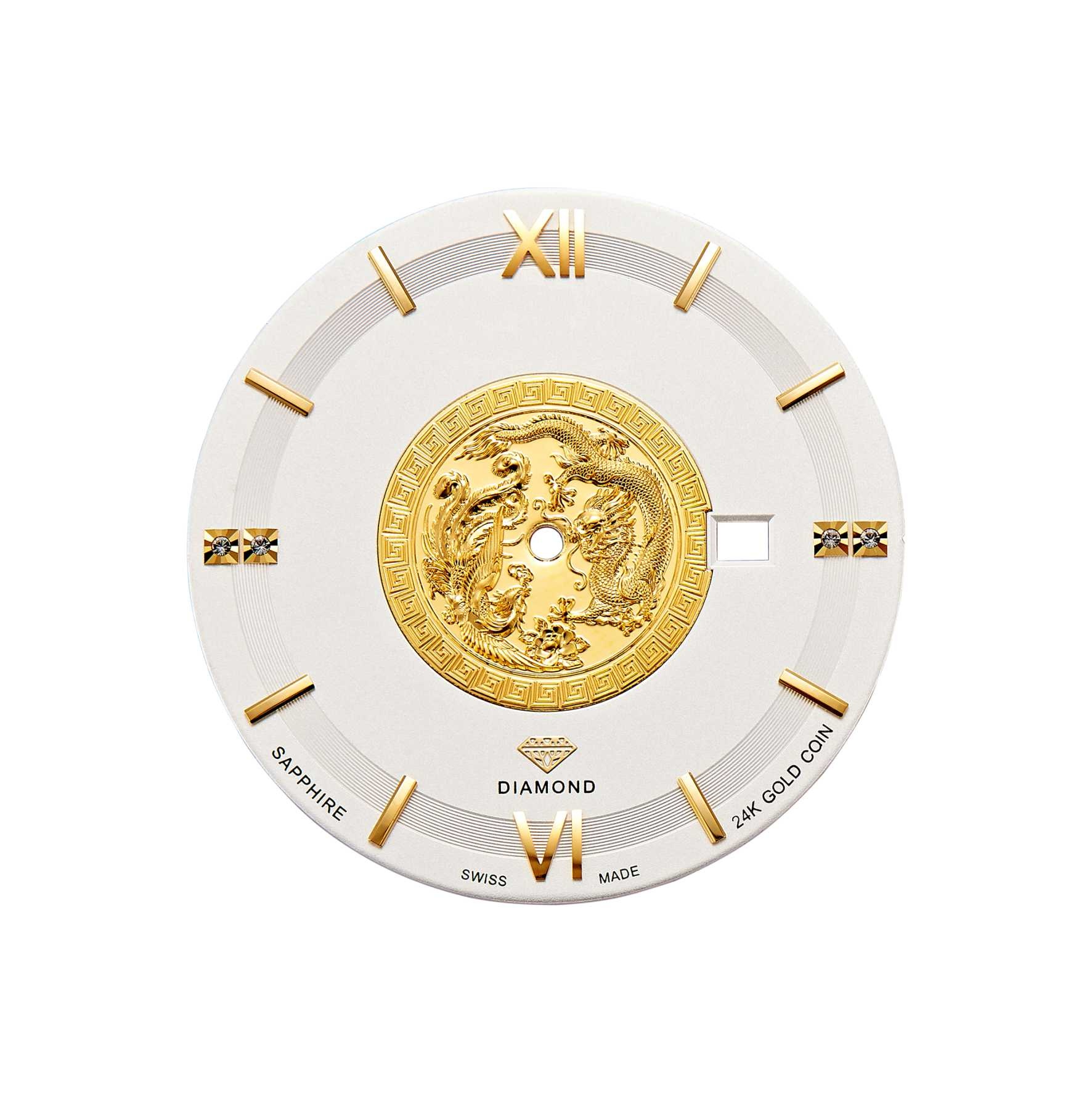
A bracelet can look great on a display stand and still feel wrong on the wrist. The culprit is usually not the finish, the material, or the design. It is the tolerance between links. A little too much clearance, and the bracelet rattles, twists, and ...
VIEW MORE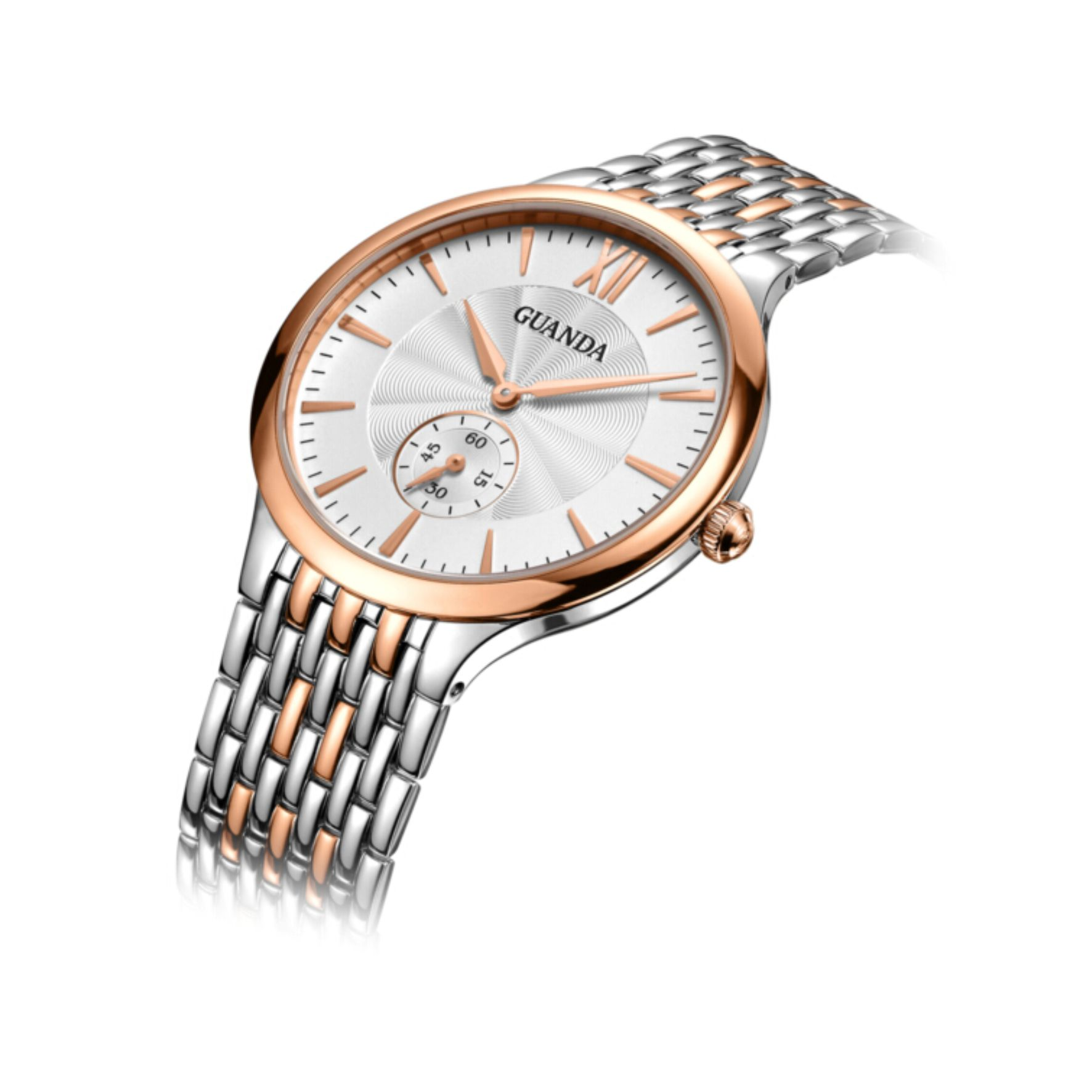
A Checkbox Approach Usually Backfires Some brand owners treat prototype approval as a checkbox. The sample arrives, it looks roughly like what was discussed, and the project moves forward. That approach works until it does not. A prototype that is ap...
VIEW MORE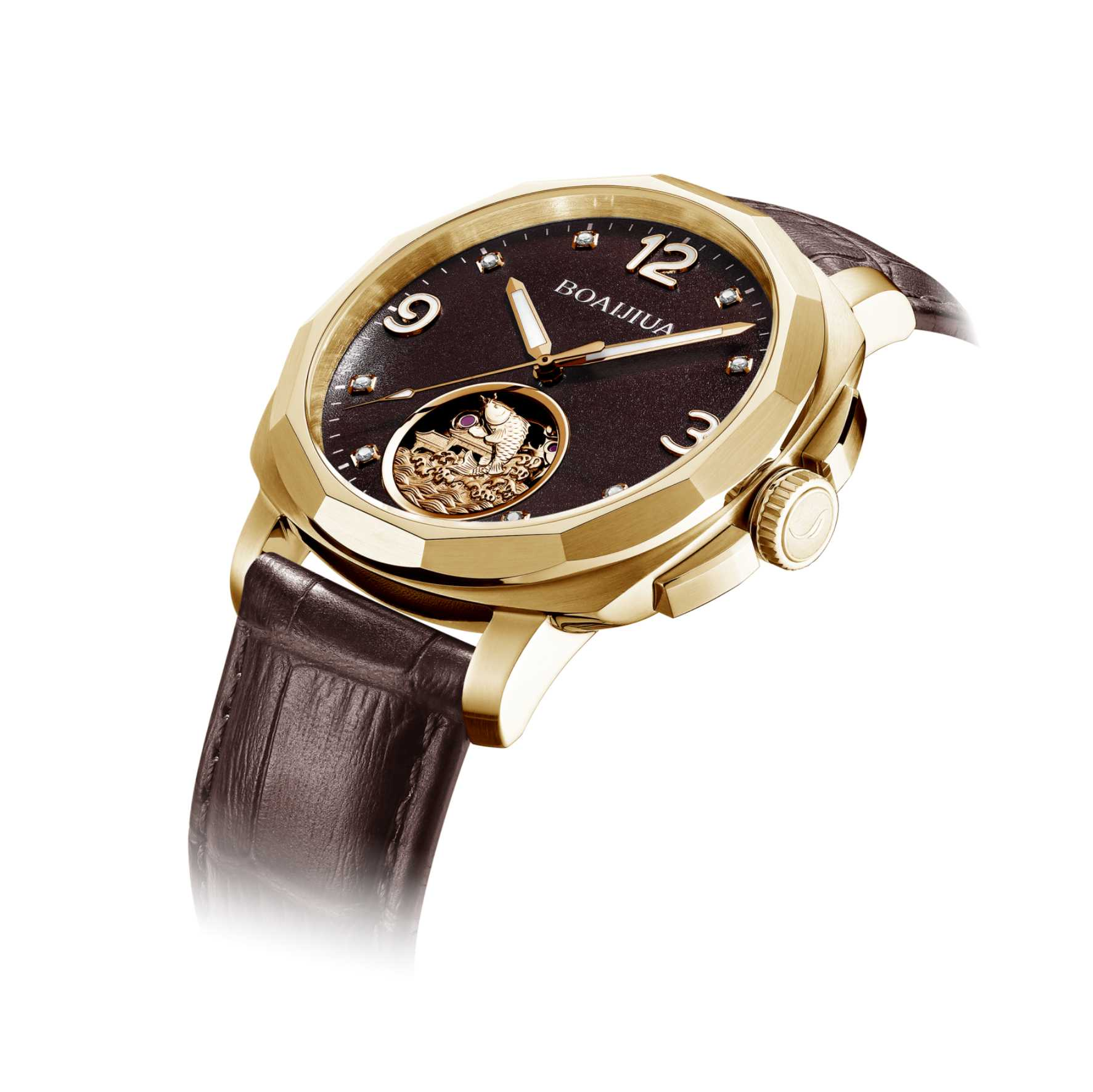
Why Small Oversights Become Expensive In OEM watch component projects, the expensive mistakes rarely come from a single dramatic failure. They come from small oversights that compound. A tolerance that was not specified. A sample that was approved wi...
VIEW MORE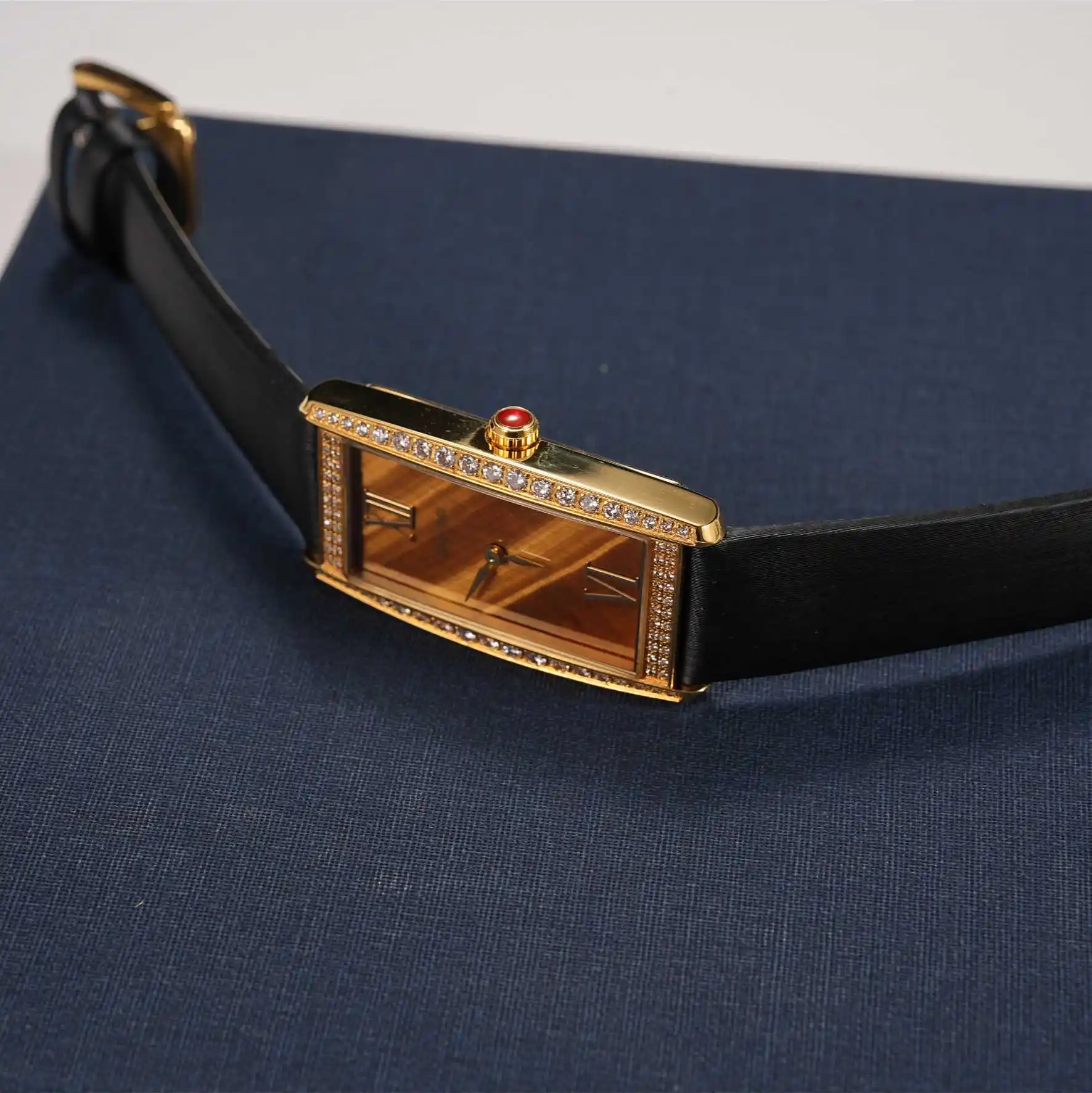
Why the First OEM Watch Timeline Usually Slips An OEM watch project rarely matches the first schedule. The usual reason is not a dramatic failure. It is dependency. One stage cannot fully start until the previous stage is signed off. A small delay in...
VIEW MORE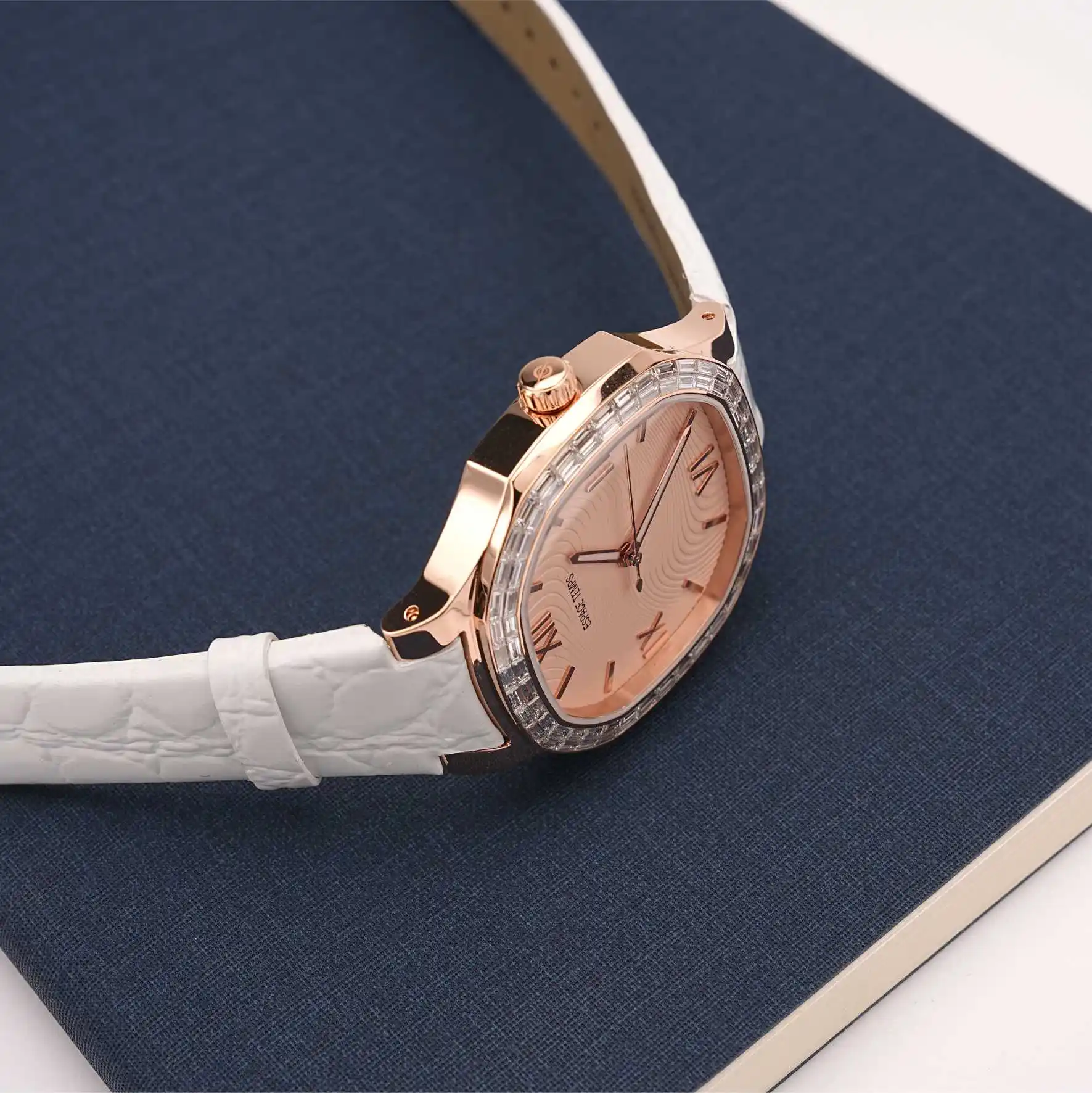
Why OEM Watch QC Differs from Catalog Watch Checks A catalog watch can be checked against the factory’s own internal standard. An OEM watch cannot. Every customized part introduces a new variable: a dial printed to a specific color, a case mach...
VIEW MORE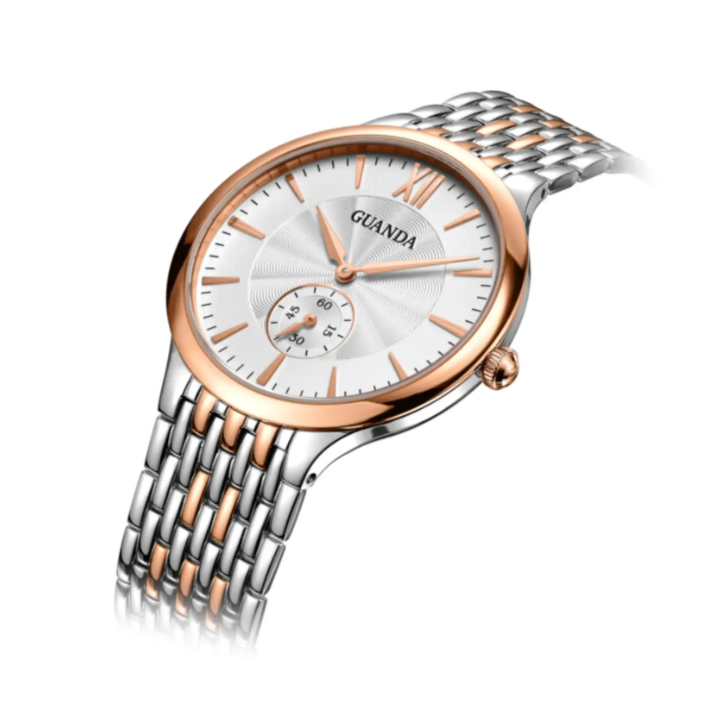
The Checklist That Prevents Most Problems Most sourcing disasters in OEM watch projects don’t happen because of bad luck. They happen because a step was skipped, a specification wasn’t documented, or an assumption was never tested. A stru...
VIEW MORE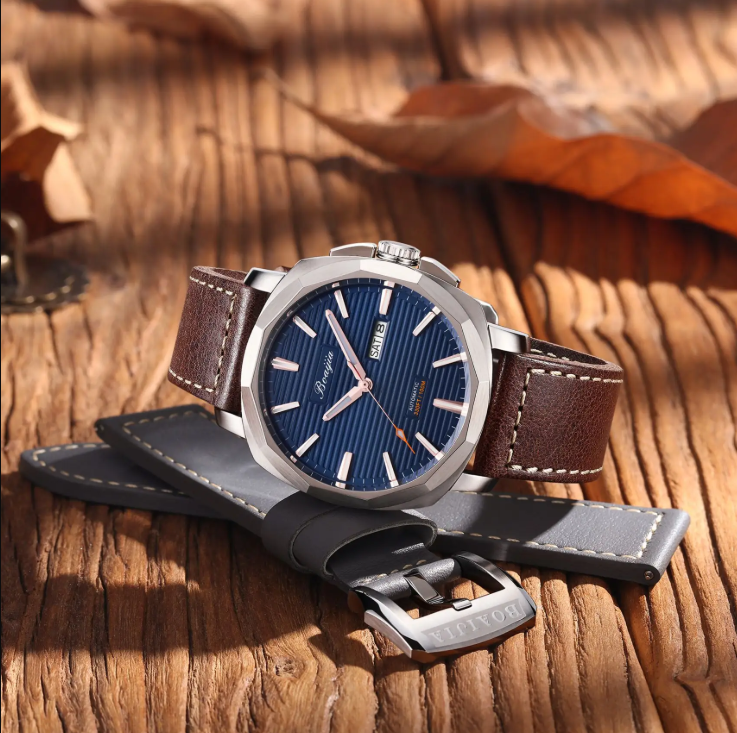
Deciphering the Blueprint of Precision Micro-Manufacturing Evaluating a watch dial manufacturer requires looking past polished showroom displays and diving straight into the engineering reality of their production floor. The face of a timepiece is a ...
VIEW MORE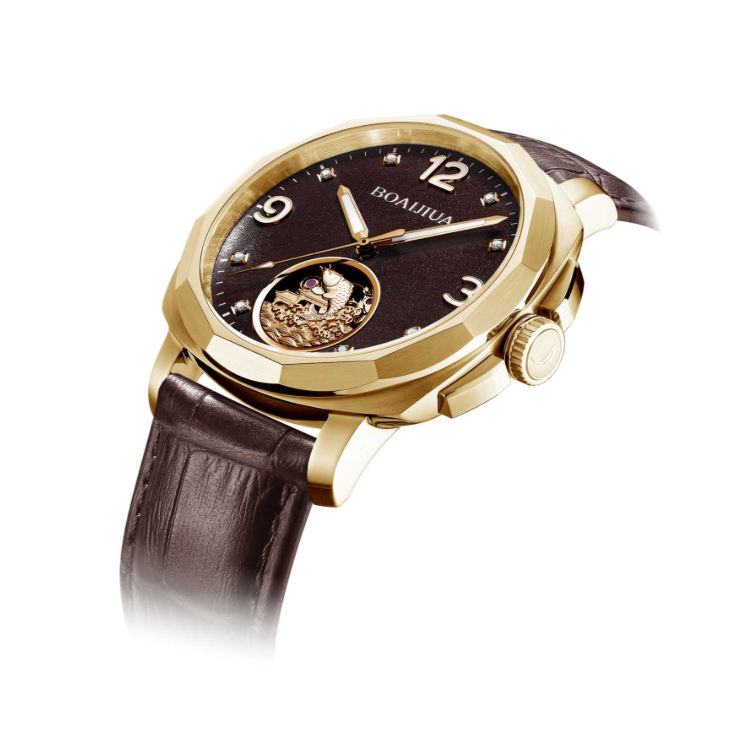
The Metallurgical Balance Behind Modern Bracelet Manufacturing The dominance of 316L stainless steel in watch bracelet manufacturing comes down to a deliberate balance of metallurgy, mechanical durability, and long-term surface stability. Standard au...
VIEW MORE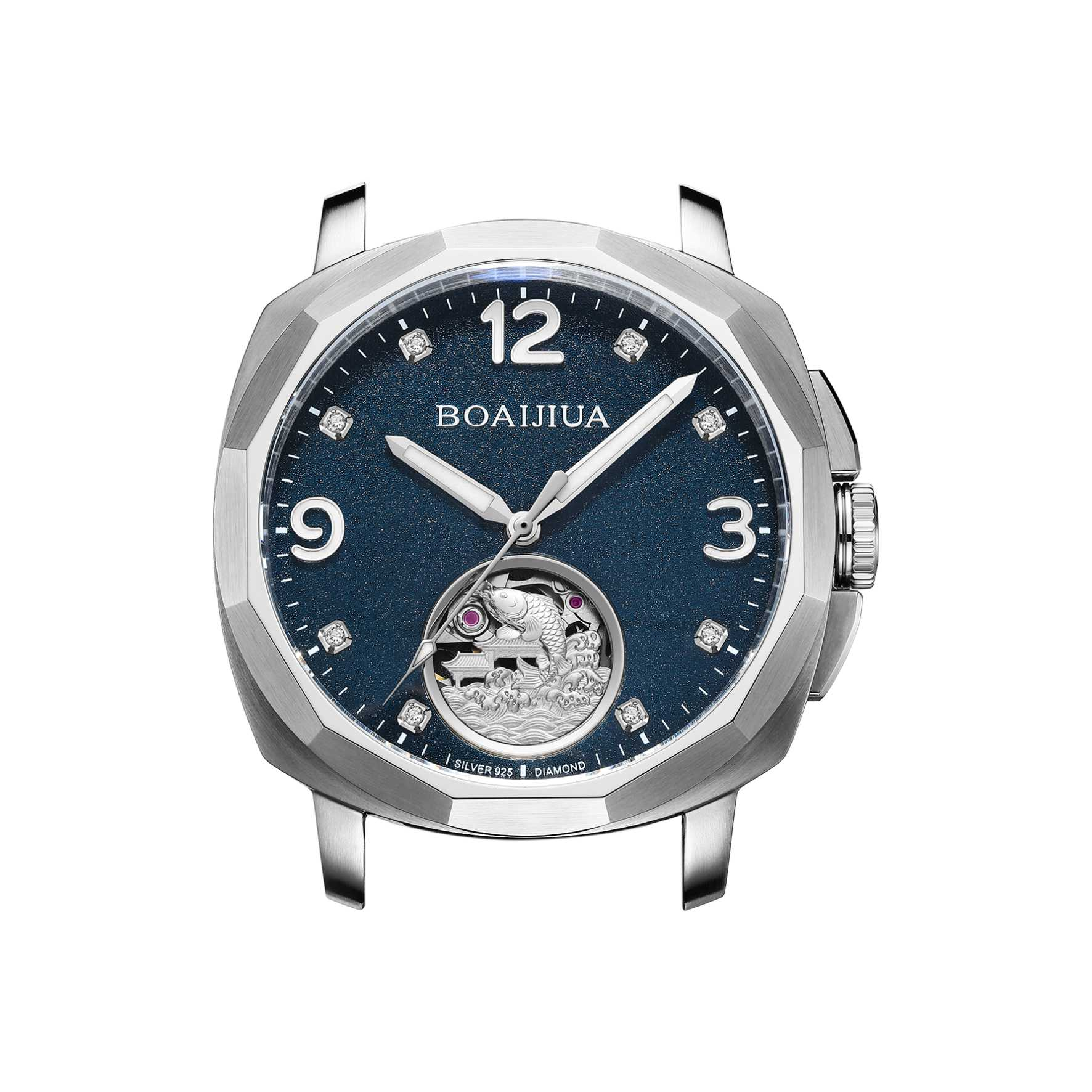
Realities of Design Theft in the Modern Horology Market Navigating the global timepiece market requires more than aesthetic creativity and brand positioning. For emerging and established brands alike, the unauthorized duplication of proprietary desig...
VIEW MORE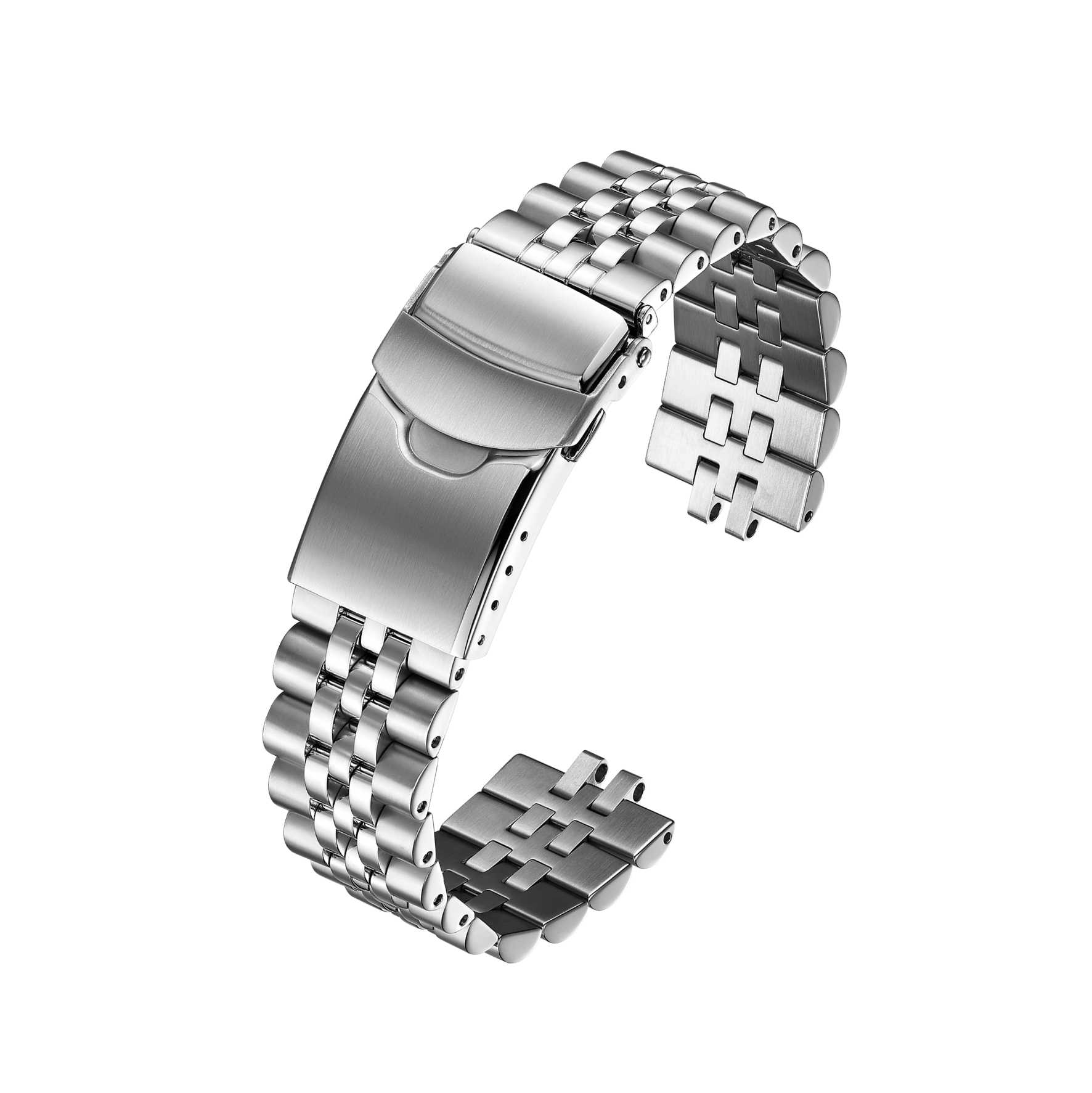
Strategic Sourcing of Stainless Steel Watch Bracelets A high-quality watch bracelet is far more than a simple fastening band, it is a critical engineering component that defines the overall wearer comfort, balance, and perceived value of a timepiece....
VIEW MORE
Baoruihua (Dongguan) Precision Technology Co., Ltd. is a precision watch manufacturer specializing in OEM and ODM watch components, including cases, dials, bracelets, and buckles. We provide stable production, strict quality control, and reliable supply for global watch brands. Contact us to discuss your project.
Building5, No.459 Xiecao Road, Xiegang town, Dongguan, Guangdong
Copyright © 2025 by Baoruihua (Dongguan) Precision Technology Co., Ltd. Privacy Policy
 EN