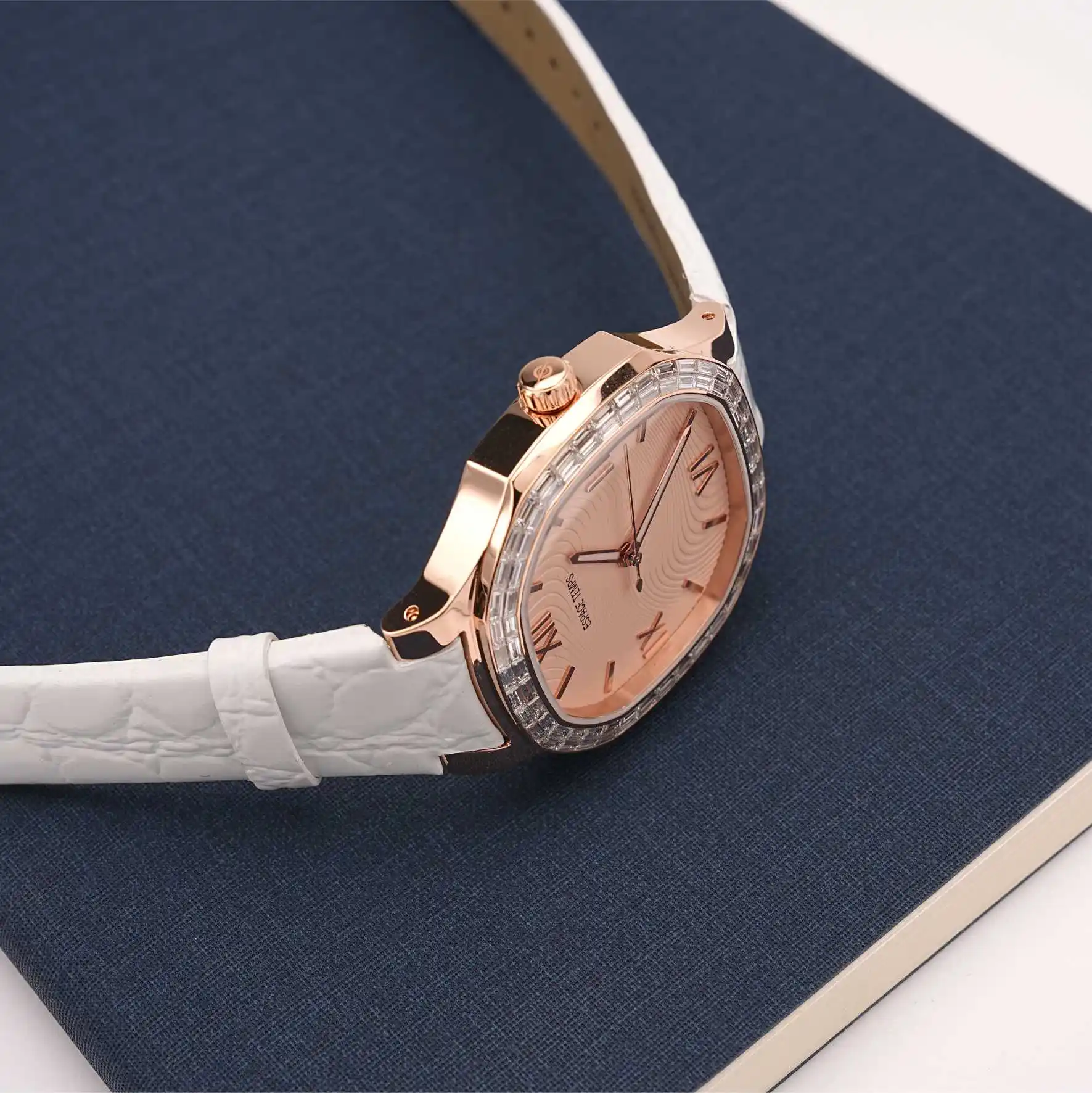
Why a Finish Spec Fails Before the First Part Is Made A luxury brand can spend months on case geometry and then lose the project at the finishing stage because the spec was written as a look, not as a process. "Brushed top, polished flank" describes ...
VIEW MORE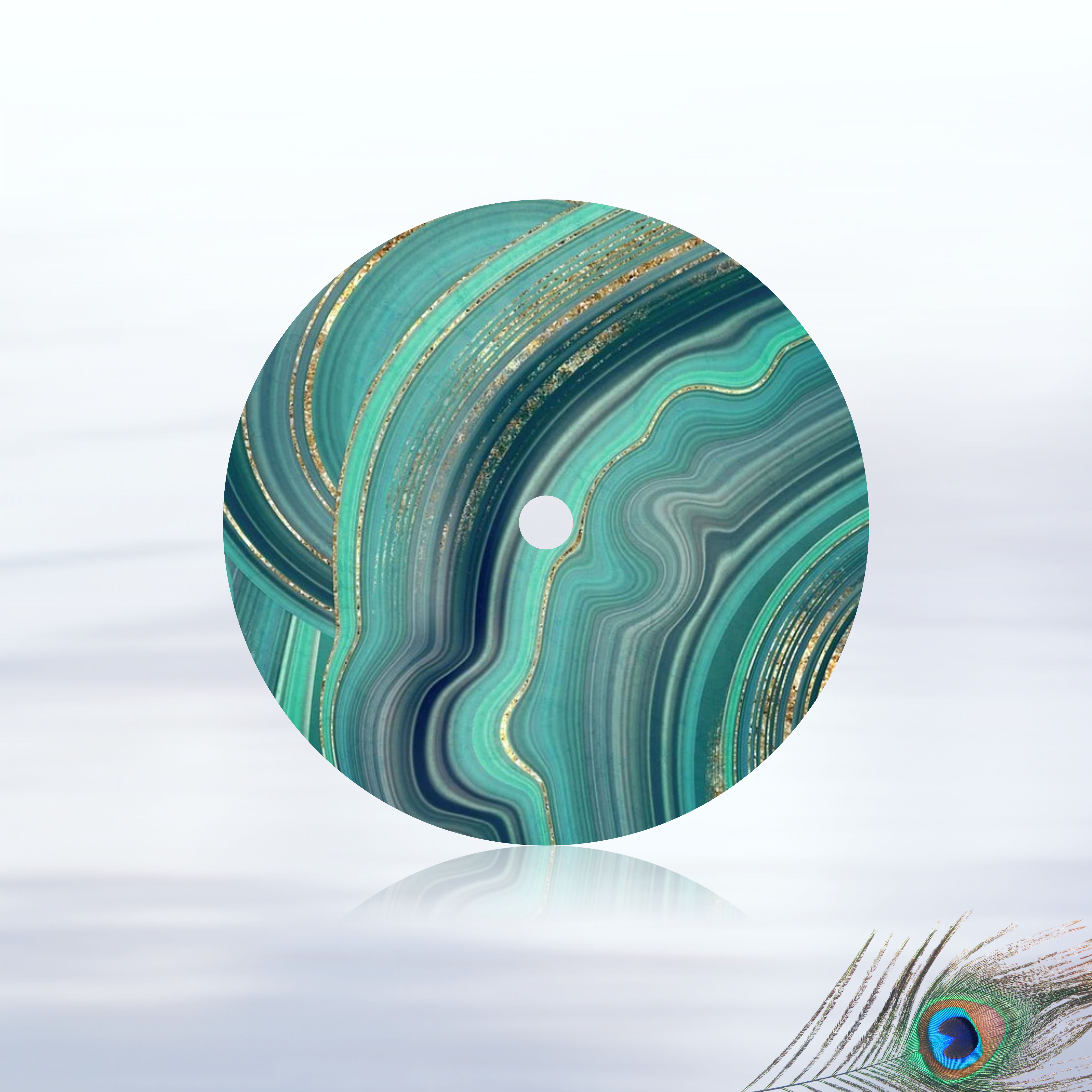
Perceived Quality Is Decided by Touch and Angle, Not Spec Sheets A watch case can meet every dimensional tolerance and still feel cheap in the hand. That gap between measured quality and perceived quality usually comes down to finishing. The way an e...
VIEW MORE
A dial prototype lands on the bench and the first instinct is to hold it under a lamp and judge the surface. That order is backwards. The surface is the most expensive thing to change and the least likely to be the real problem. A dial that looks dul...
VIEW MORE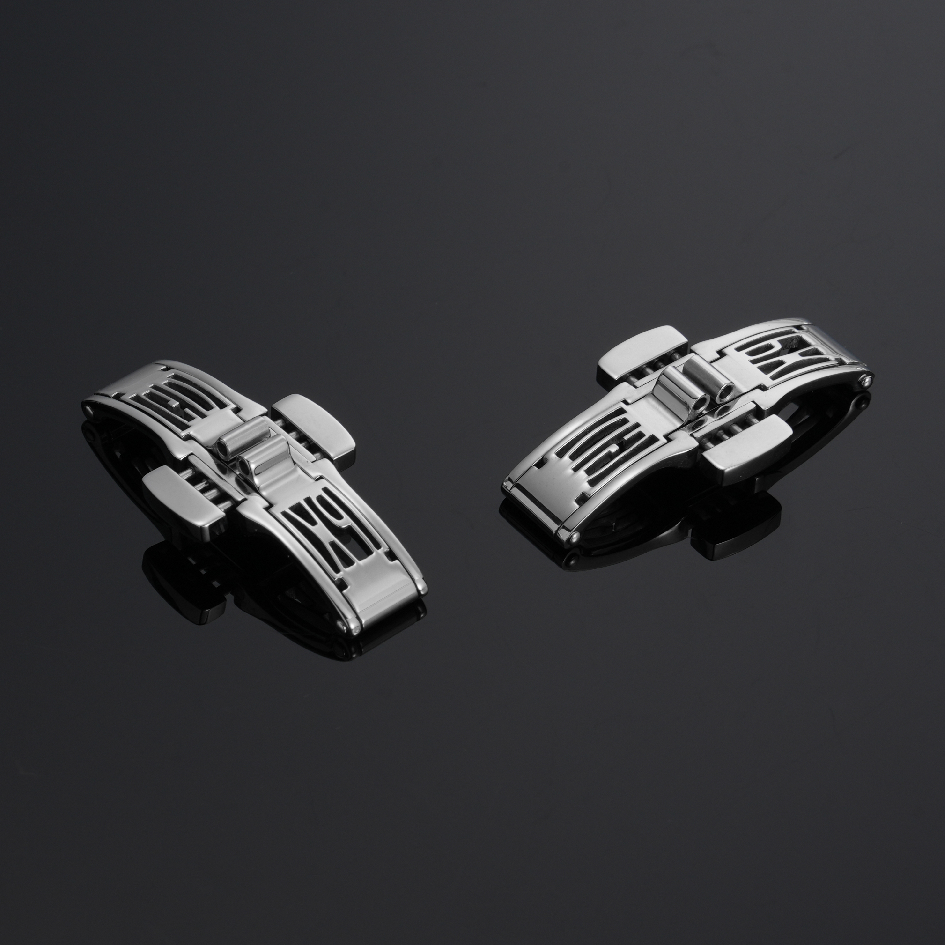
Customization Starts With Function, Not Appearance A watch clasp is one of the few parts a wearer touches every day. It opens, closes, sits against the wrist, and takes repeated load without being seen for most of the time. That makes custom watch cl...
VIEW MORE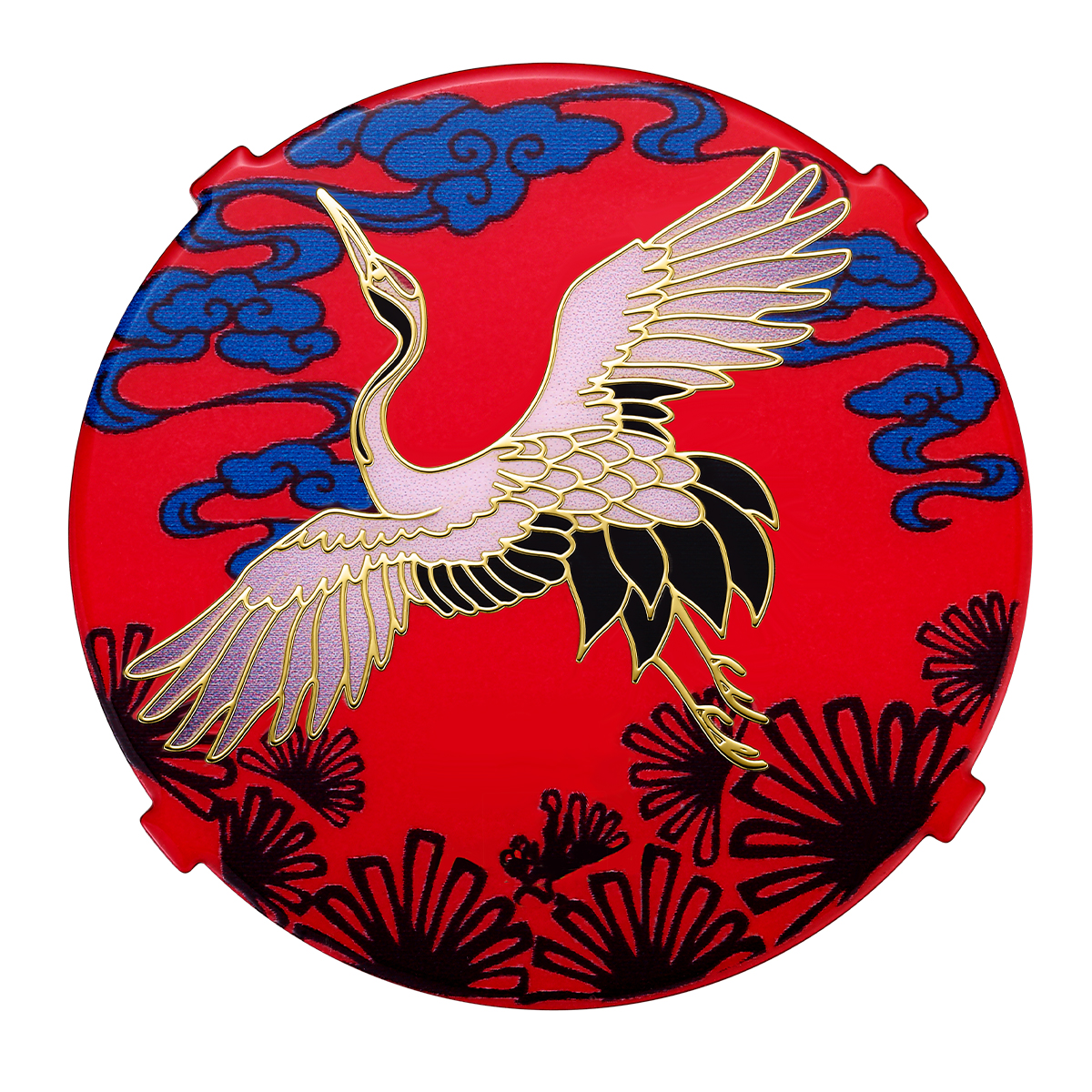
Dust Is a Defect That Has Not Happened Yet A dust particle on a dial is easy to dismiss as a cosmetic issue. In practice, it is a defect waiting to be discovered at the worst possible moment. A particle trapped under lacquer creates a visible bump. A...
VIEW MORE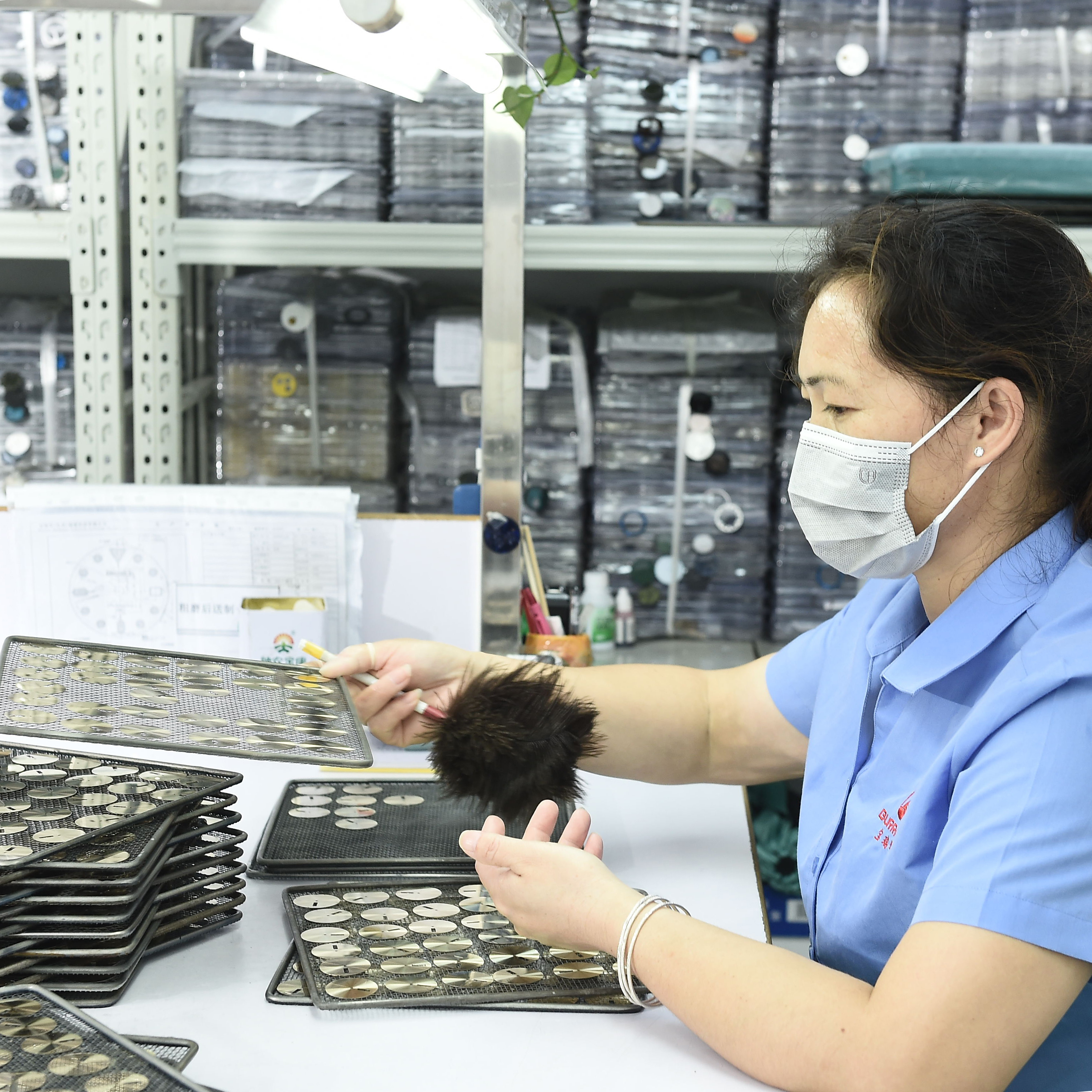
A Concept Needs a Manufacturing Route, Not Just a Sketch A custom watch dial usually starts as a sketch, a render, or a reference photo. Those are useful inputs, but they do not tell a dial maker how to build the part. The first real step in custom w...
VIEW MORE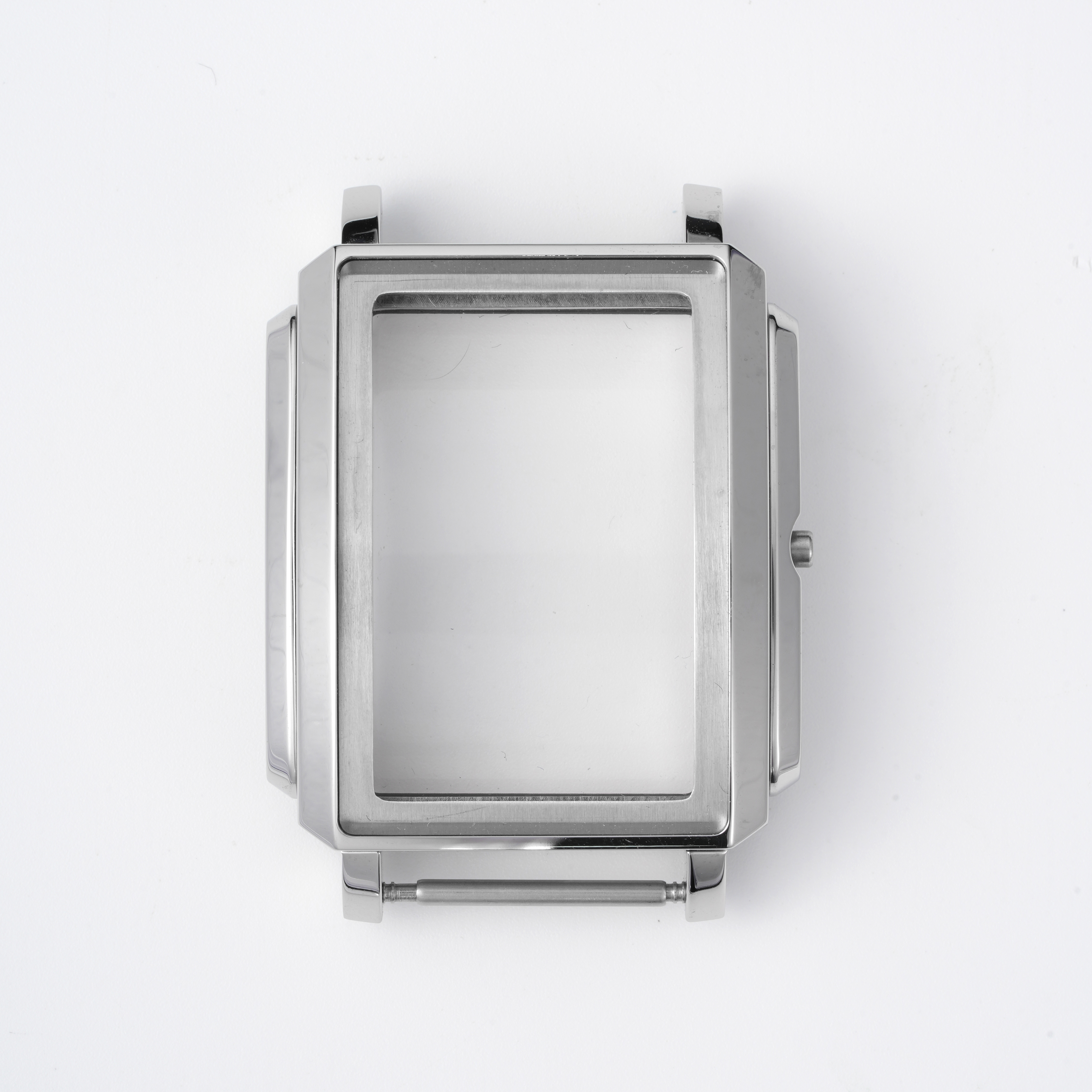
Prototyping Is a Tolerance Conversation, Not a Beauty Contest A watch case prototype often arrives as a render with clean lines and a nice profile. That is a starting point, not a manufacturing plan. The useful prototype conversation is about toleran...
VIEW MORE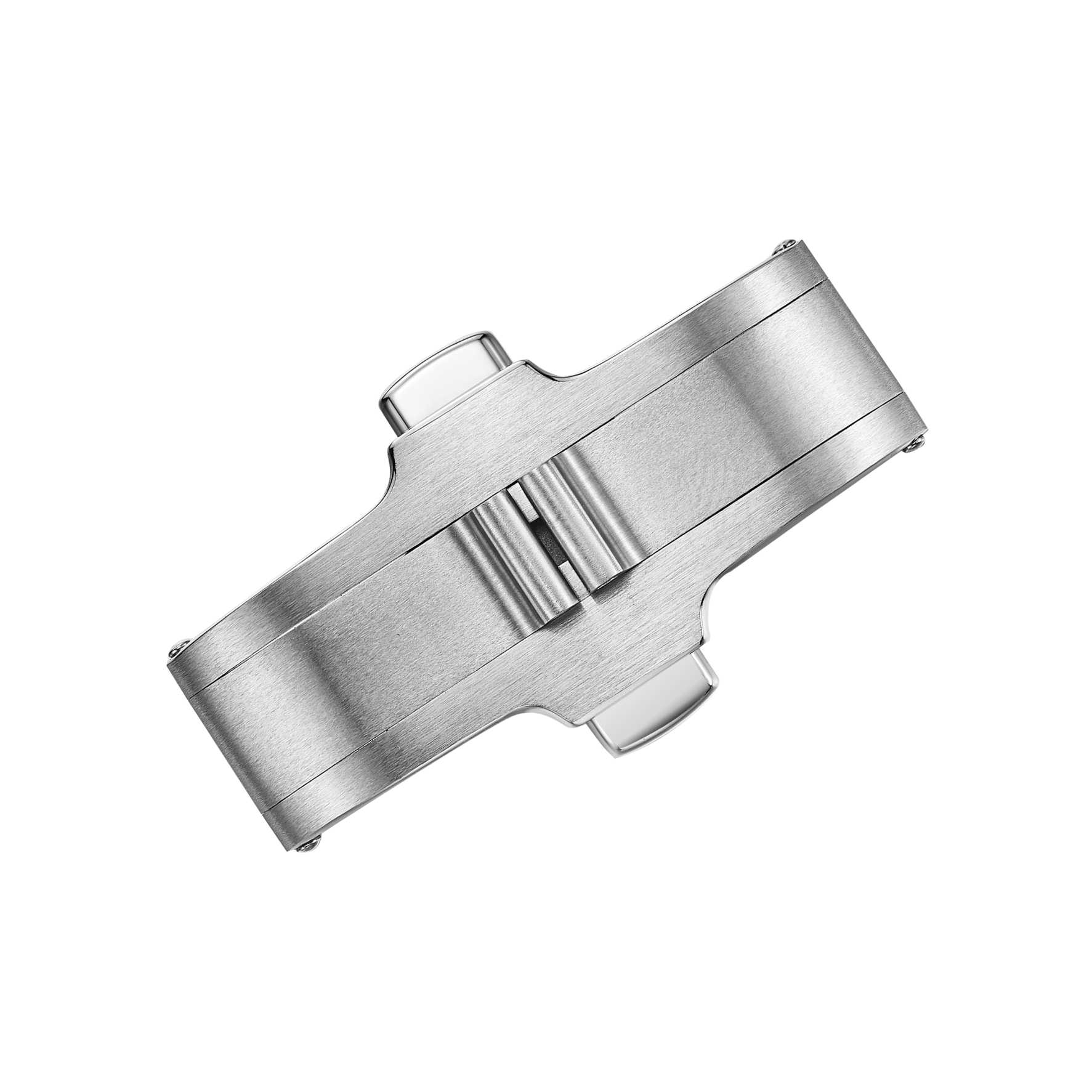
Failure Usually Starts Before the Clasp Feels Wrong A clasp that opens roughly or fails to latch is often the last thing to show a problem. The failure has usually been developing for a while. A watch clasp sees repeated load cycles every day. The hi...
VIEW MORE
Defects Rarely Come From One Operation A watch case passes through more operations than most people outside the trade expect. Blanking, CNC milling or stamping, edge breaking, polishing, drilling and tapping, surface treatment, and final dimensional...
VIEW MORE
Customization Starts With a Spec, Not a Color Chip A brand often arrives at dial customization with a reference image and a color chip. That is a useful starting point, but it is not a production specification. Watch dial manufacturers need to trans...
VIEW MORE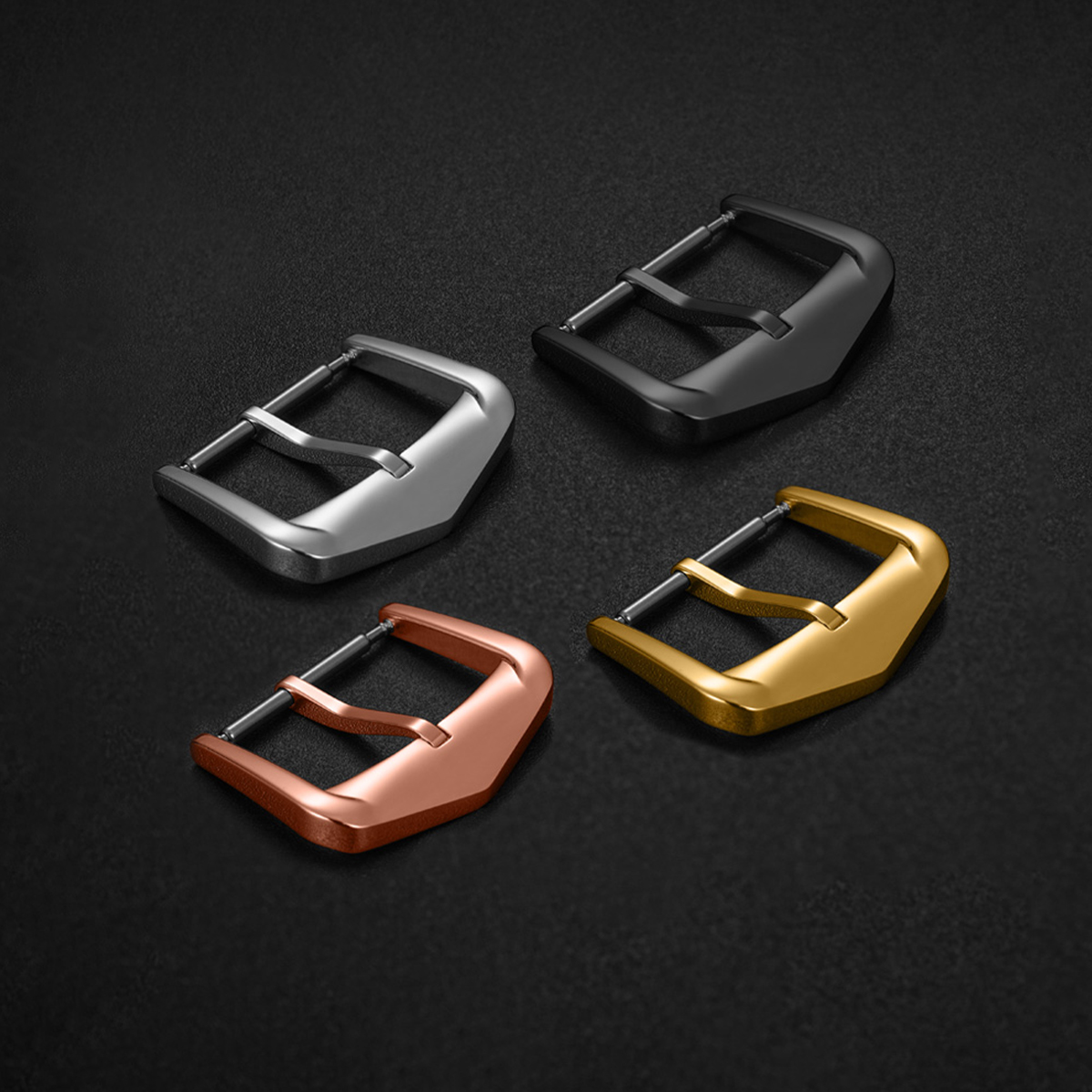
A watch clasp is a small part with a daily job. It opens, closes, sits against the wrist, and takes repeated load without drawing attention. Titanium watch clasps get specified for three practical reasons: lower weight, better corrosion resistance in...
VIEW MORE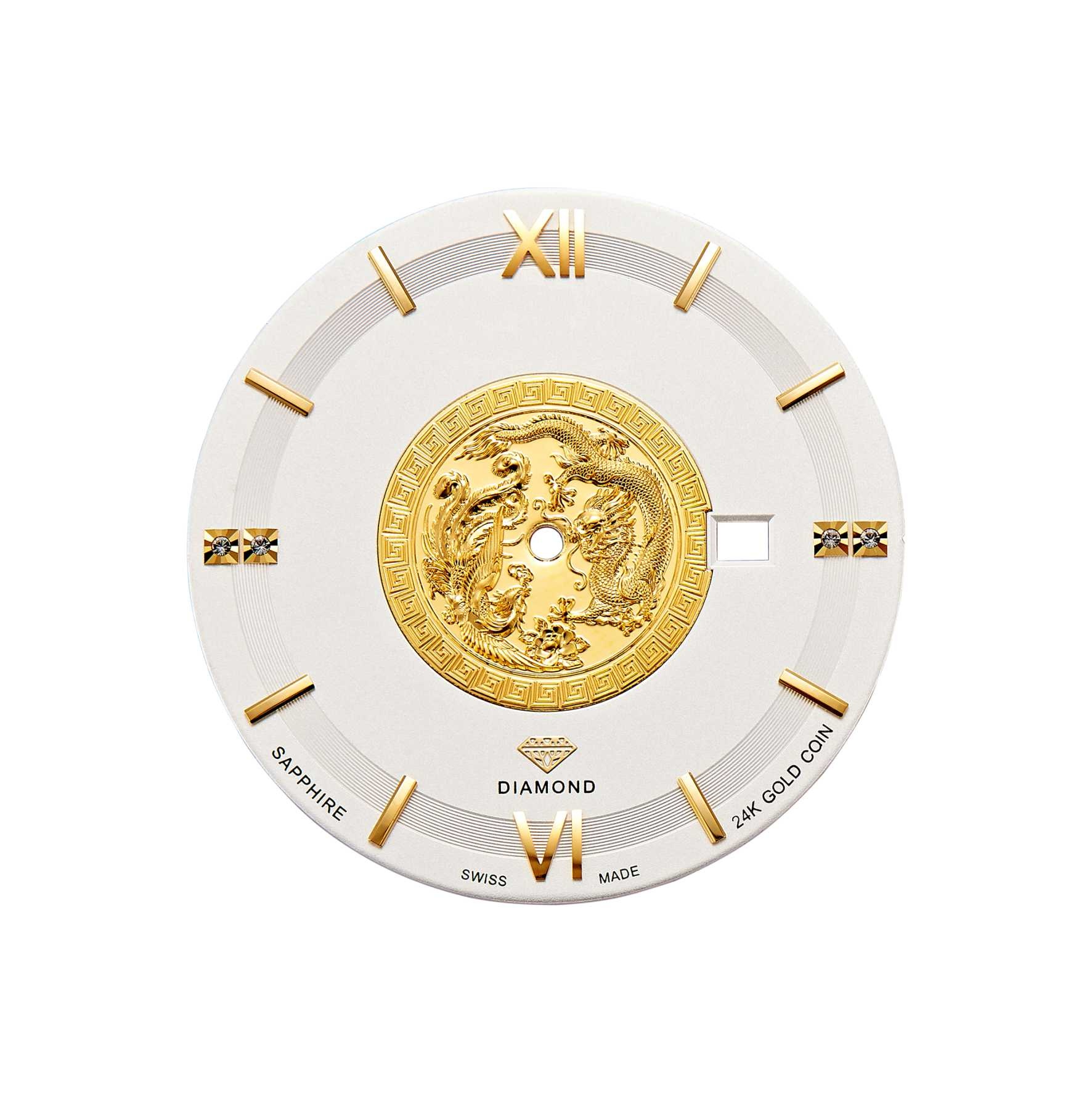
The Pattern Is Never Just a Pattern A dial’s texture often catches the eye before the hands or case. Under a loupe, a guilloché surface breaks into repeating grooves. A sunburst dial throws light from center to edge. In watch dial manufa...
VIEW MORE
Baoruihua (Dongguan) Precision Technology Co., Ltd. is a precision watch manufacturer specializing in OEM and ODM watch components, including cases, dials, bracelets, and buckles. We provide stable production, strict quality control, and reliable supply for global watch brands. Contact us to discuss your project.
Building5, No.459 Xiecao Road, Xiegang town, Dongguan, Guangdong
Copyright © 2025 by Baoruihua (Dongguan) Precision Technology Co., Ltd. Privacy Policy
 EN